Written by
Dr.Muhammad Shoaib Zafar
- Published:
14 min read
Intravenous Drug Abuse, Life-Threatening Complications, and Treatment of Prescription Drug Addiction
When Addiction Becomes a Medical Emergency
Prescription drug addiction becomes even more dangerous when medicines are injected rather than taken by mouth. Across Pakistan, addiction specialists are increasingly treating patients who inject medicines such as nalbuphine (Nelbin), tramadol, buprenorphine, pentazocine, and other injectable opioids. What often begins as an attempt to achieve faster pain relief or a stronger “high” can quickly lead to devastating physical and psychological complications.
Unlike swallowing a tablet, injecting a drug delivers it directly into the bloodstream, producing a rapid effect on the brain. This intense and immediate response increases the risk of dependence, overdose, and repeated use. Many people who inject drugs eventually require several injections each day simply to avoid withdrawal symptoms rather than to experience pleasure.
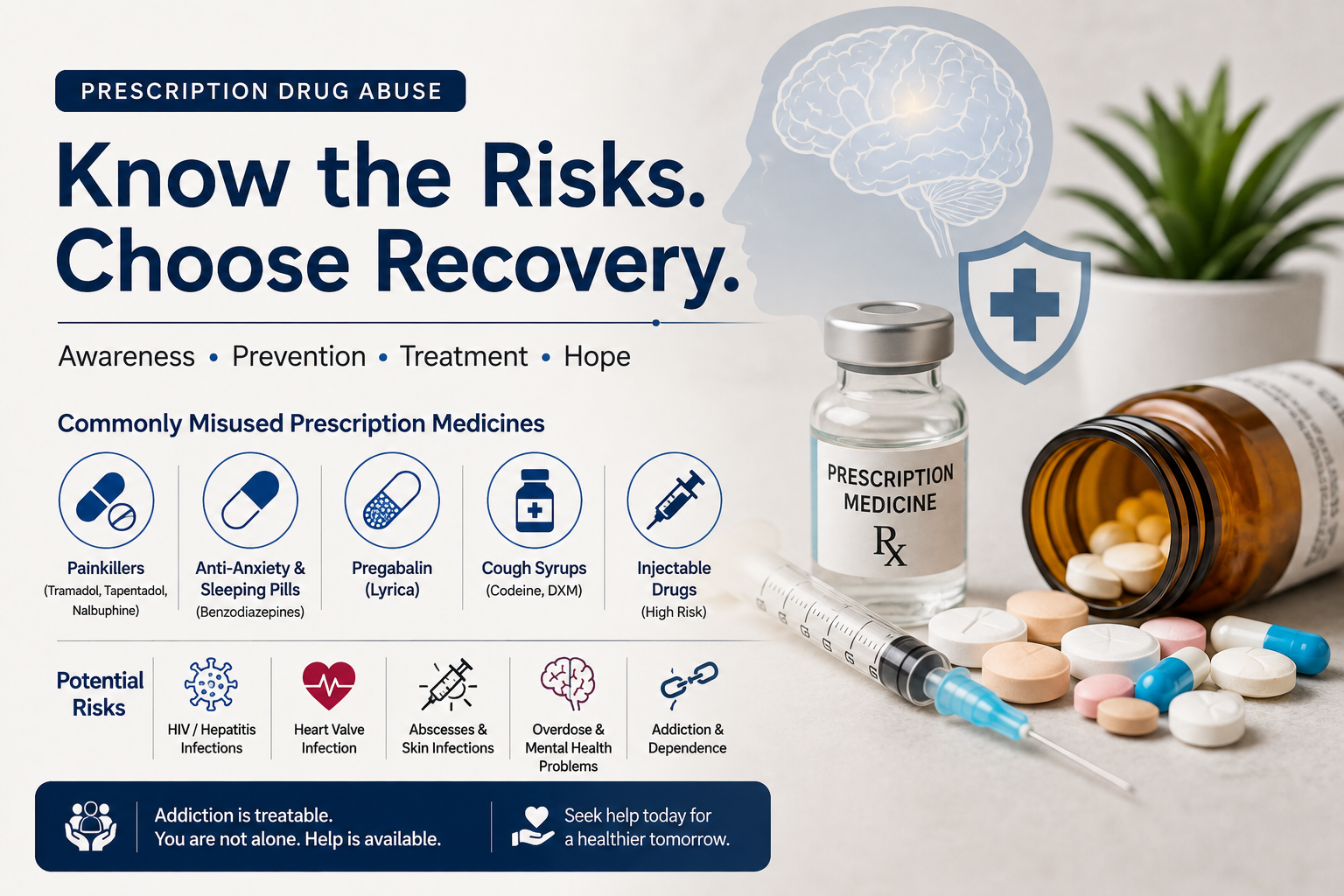
Injection drug use also exposes individuals to infections, damaged blood vessels, life-threatening heart disease, and blood-borne viruses such as HIV and hepatitis B and C. For this reason, intravenous drug abuse is considered one of the highest-risk forms of substance use disorder.
⸻
Why Do People Inject Medicines?
People begin injecting medicines for different reasons. Some believe injections work faster or are more effective than tablets. Others are introduced to injectable drugs by friends or drug-using peers. Individuals with chronic pain, untreated mental health disorders, or previous substance use disorders may also be more vulnerable.
Common reasons include:
* Seeking a faster or stronger effect. * Increasing tolerance to tablets. * Curiosity or peer pressure. * Self-medicating emotional distress. * Misconceptions that prescription injections are safer than street drugs.
Unfortunately, these temporary effects come at a very high cost.
⸻
Major Medical Complications of Injection Drug Abuse
Skin and Soft Tissue Infections
Repeated injections frequently damage the skin and surrounding tissues. Many patients develop redness, swelling, pain, and pus-filled abscesses that require antibiotics or surgical drainage.
Common complications include:
* Cellulitis * Skin abscesses * Chronic ulcers * Tissue necrosis * Permanent scarring
Ignoring these infections can allow bacteria to spread throughout the body.
⸻
Collapsed Veins and Blood Vessel Damage
Repeated injections into the same veins can cause permanent damage.
Patients may experience:
* Collapsed veins * Chronic pain * Thrombophlebitis (inflamed veins) * Difficulty obtaining intravenous access during future medical emergencies
Some individuals eventually inject into dangerous sites such as the groin or neck, greatly increasing the risk of severe complications.
⸻
Bloodstream Infection (Septicemia)
When contaminated needles or poor injection practices introduce bacteria directly into the bloodstream, a life-threatening condition known as septicemia (blood poisoning) can occur.
Symptoms may include:
* High fever * Chills * Rapid heartbeat * Confusion * Low blood pressure * Difficulty breathing
Without urgent treatment, septicemia can progress to septic shock, multiple organ failure, and death.
⸻
Infective Endocarditis
One of the most serious complications of intravenous drug use is infective endocarditis, an infection of the heart valves.
Bacteria entering the bloodstream during injection can attach to the heart valves, causing severe damage.
Symptoms include:
* Persistent fever * Fatigue * Weight loss * Shortness of breath * Chest pain * Heart murmurs
Treatment often requires prolonged hospitalization, intravenous antibiotics, and, in severe cases, heart valve replacement surgery.
⸻
HIV Infection
Sharing needles, syringes, or other injecting equipment significantly increases the risk of Human Immunodeficiency Virus (HIV) infection.
HIV weakens the immune system, making the body more susceptible to infections and certain cancers. Although modern antiretroviral therapy allows people with HIV to live long and healthy lives, prevention remains far more effective than treatment.
People who inject drugs should be encouraged to seek addiction treatment and avoid sharing needles or injecting equipment.
⸻
Hepatitis B and Hepatitis C
Unsafe injection practices are also major routes of transmission for hepatitis B and hepatitis C, viral infections that primarily affect the liver.
Chronic hepatitis can lead to:
* Liver cirrhosis * Liver failure * Liver cancer * Premature death
Because these infections may remain silent for years, many individuals are unaware they are infected until significant liver damage has already occurred.
⸻
Overdose
Perhaps the greatest immediate danger of prescription opioid misuse is overdose.
Taking excessive doses or combining opioids with benzodiazepines, pregabalin, alcohol, or antihistamines can suppress breathing, resulting in unconsciousness and death.
Warning signs of overdose include:
* Extreme drowsiness * Slow or absent breathing * Blue lips or fingertips * Pinpoint pupils * Unresponsiveness
An overdose is a medical emergency requiring immediate medical attention.
⸻
Mental Health Consequences
Prescription drug addiction affects far more than physical health.
Many patients also experience:
* Depression * Anxiety disorders * Panic attacks * Severe insomnia * Memory impairment * Poor concentration * Emotional instability * Irritability * Psychosis * Suicidal thoughts
In many cases, addiction develops alongside an underlying psychiatric illness such as depression, bipolar disorder, or post-traumatic stress disorder (PTSD). This combination is known as a dual diagnosis and requires treatment of both conditions simultaneously to reduce the risk of relapse.
⸻
How Is Prescription Drug Addiction Diagnosed?
Effective treatment begins with a comprehensive assessment performed by a qualified addiction psychiatrist or physician.
The evaluation usually includes:
* Detailed medical history * Psychiatric assessment * Substance use history * Physical examination * Laboratory investigations * Screening for HIV, hepatitis B, and hepatitis C where appropriate * Assessment of withdrawal severity * Evaluation of family and social support * Identification of co-existing mental health disorders
Accurate diagnosis helps clinicians develop an individualized treatment plan tailored to each patient’s needs.
⸻
Treatment of Prescription Drug Addiction
The good news is that prescription drug addiction is treatable.
Recovery is most successful when treatment addresses both the addiction and any underlying medical or psychiatric conditions.
Medically Supervised Detoxification
Detoxification is the first step for many patients.
During detoxification, healthcare professionals monitor withdrawal symptoms, provide supportive medications where appropriate, and ensure patient safety.
It is particularly important not to stop benzodiazepines suddenly, as abrupt withdrawal may cause seizures or other life-threatening complications.
⸻
Psychiatric Treatment
Many patients require treatment for depression, anxiety, insomnia, trauma, or other psychiatric disorders contributing to substance misuse.
Managing these conditions significantly improves long-term recovery.
⸻
Psychological Therapies
Evidence-based psychotherapy plays a central role in recovery.
Common approaches include:
* Cognitive Behavioural Therapy (CBT) * Motivational Interviewing * Relapse Prevention Therapy * Family Therapy * Individual Counselling * Group Therapy
These interventions help patients understand triggers, develop healthier coping strategies, and rebuild their lives without relying on addictive medicines.
⸻
Indoor Rehabilitation
Patients with severe dependence, repeated relapse, polysubstance use, or intravenous drug abuse often benefit from structured inpatient rehabilitation.
A comprehensive rehabilitation program typically includes:
* 24-hour medical supervision * Safe withdrawal management * Psychiatric care * Psychological counselling * Family education * Nutritional support * Physical activity * Relapse prevention training * Aftercare planning
The goal is not only to stop drug use but also to help patients regain physical health, emotional stability, and social functioning.
⸻
Recovery Is a Long-Term Process
Recovery does not end when detoxification is completed.
Like diabetes or hypertension, addiction is a chronic medical condition that requires ongoing management.
Long-term recovery is strengthened by:
* Regular psychiatric follow-up * Medication adherence when prescribed * Continued psychotherapy * Family support * Healthy lifestyle changes * Stress management * Avoiding high-risk situations * Participation in recovery support groups where appropriate
Relapse should never be viewed as a personal failure. Instead, it signals that treatment needs to be reviewed and strengthened.
⸻
How Families Can Help
Family support is one of the strongest predictors of successful recovery.
Families can help by:
* Encouraging early professional treatment. * Avoiding blame or punishment. * Learning about addiction as a medical illness. * Supervising medications when appropriate. * Participating in family counselling. * Supporting healthy routines. * Watching for early warning signs of relapse. * Celebrating recovery milestones.
Compassion combined with clear boundaries is far more effective than criticism or stigma.
⸻
Key Takeaways
Prescription drug addiction can progress from a hidden problem to a life-threatening medical emergency, particularly when medicines are injected or combined with other substances. Complications such as HIV, hepatitis B, hepatitis C, infective endocarditis, septicemia, overdose, and severe psychiatric illness highlight the importance of early recognition and treatment.
The encouraging message is that recovery is possible. With timely assessment, medically supervised detoxification, evidence-based psychotherapy, comprehensive rehabilitation, and strong family support, many individuals successfully overcome prescription drug addiction and return to healthy, productive lives.
In the final section of this guide, we will answer the most frequently asked questions about prescription drug addiction, dispel common myths, discuss prevention strategies, and provide practical advice for families seeking help.
Prevention, Myths, Frequently Asked Questions, and Recovery from Prescription Drug Addiction
Recovery Is Possible: There Is Hope Beyond Addiction
One of the biggest misconceptions about addiction is that it is a sign of weak willpower or poor character. Modern medical science tells us otherwise. Prescription drug addiction is a chronic but treatable medical condition that affects the brain’s reward, motivation, and decision-making systems.
With early intervention, evidence-based treatment, and continued family support, many individuals recover successfully and rebuild healthy, productive lives.
The most important step is recognizing the problem early and seeking professional help before addiction leads to irreversible medical, psychological, or social consequences.
⸻
Can Prescription Drug Addiction Be Prevented?
Although not every case can be prevented, many cases of prescription drug addiction are avoidable through responsible prescribing, patient education, and increased public awareness.
For Patients
* Take medicines only as prescribed. * Never increase the dose without consulting your doctor. * Avoid sharing medicines with family or friends. * Store medicines safely away from children and adolescents. * Dispose of unused medicines responsibly. * Seek medical advice if you notice cravings or increasing dependence.
For Families
Families play a vital role in early detection.
You can help by:
* Learning about commonly misused medicines. * Monitoring long-term use of sleeping pills or painkillers. * Encouraging loved ones to seek psychiatric care for anxiety, depression, or insomnia rather than self-medicating. * Providing emotional support without enabling addictive behaviour.
For Healthcare Professionals
Doctors, pharmacists, and other healthcare providers should:
* Prescribe potentially addictive medicines only when clearly indicated. * Use the lowest effective dose for the shortest appropriate duration. * Educate patients about dependence and withdrawal. * Review medications regularly. * Screen patients with a history of substance use disorders.
For Policymakers
Reducing prescription drug misuse requires coordinated public health efforts, including:
* Stronger enforcement of prescription regulations. * Improved pharmacy oversight. * Better access to mental health and addiction services. * Public education campaigns. * School- and university-based awareness programs. * Training for healthcare professionals in safe prescribing and addiction management.
⸻
Common Myths About Prescription Drug Addiction
Myth 1: Prescription medicines cannot cause addiction.
Fact: Many prescription medicines, including benzodiazepines, opioids, and pregabalin, can cause dependence and addiction when misused.
⸻
Myth 2: Addiction only happens to people who use illegal drugs.
Fact: Many individuals develop addiction after being prescribed medicines for genuine medical conditions.
⸻
Myth 3: Stopping the medicine suddenly is the best solution.
Fact: Abrupt discontinuation—especially of benzodiazepines—can cause severe withdrawal symptoms and may even be life-threatening.
⸻
Myth 4: Injection medicines are more effective than tablets.
Fact: Injecting medicines unnecessarily greatly increases the risk of infections, HIV, hepatitis, vein damage, and overdose.
⸻
Myth 5: Addiction is a lack of willpower.
Fact: Addiction is a recognised medical disorder that requires comprehensive medical and psychological treatment.
⸻
Myth 6: Once addicted, recovery is impossible.
Fact: With appropriate treatment, many people achieve long-term recovery and return to healthy, fulfilling lives.
⸻
Frequently Asked Questions
1. Can prescription medicines really become addictive?
Yes. Medicines such as benzodiazepines, tramadol, pregabalin, nalbuphine, and other opioids can lead to dependence and addiction if used improperly or for prolonged periods.
⸻
2. Which prescription medicines are most commonly abused in Pakistan?
Commonly misused medicines include:
* Benzodiazepines * Tramadol * Pregabalin (Lyrica) * Nalbuphine (Nelbin) * Codeine-containing cough syrups * Antihistamines * Gabapentin * Tapentadol
⸻
3. Is pregabalin (Lyrica) addictive?
Pregabalin has therapeutic benefits but can cause dependence and misuse, particularly when taken in high doses or combined with opioids or sedatives.
⸻
4. Is tramadol safer than other opioids?
Although tramadol may be appropriate for selected patients, it still carries significant risks of dependence, seizures, and overdose when misused.
⸻
5. Can sleeping pills become addictive?
Yes. Benzodiazepines and certain other sedative medicines can cause tolerance, dependence, and withdrawal, especially with long-term use.
⸻
6. Why do some people inject nalbuphine (Nelbin)?
Injection produces rapid effects, but it also dramatically increases the risks of addiction, HIV, hepatitis, infective endocarditis, skin infections, and overdose.
⸻
7. Can prescription drug addiction cause mental illness?
Prescription drug misuse may worsen existing psychiatric disorders or contribute to depression, anxiety, memory problems, psychosis, and suicidal thoughts.
⸻
8. Is detoxification enough to treat addiction?
No. Detoxification manages withdrawal symptoms, but long-term recovery also requires psychological therapy, relapse prevention, treatment of underlying mental health conditions, and ongoing follow-up.
⸻
9. When is inpatient rehabilitation recommended?
Indoor rehabilitation is often beneficial for individuals with:
* Severe dependence * Intravenous drug use * Repeated relapse * Polysubstance addiction * Significant psychiatric illness * Limited family support
⸻
10. Can addiction return after treatment?
Yes. Relapse can occur, particularly during periods of stress or when treatment is interrupted. Continuing follow-up care significantly improves long-term recovery.
⸻
11. Should families wait until the patient agrees to treatment?
Not necessarily. Families should seek professional advice as soon as they recognize warning signs. Early intervention often leads to better outcomes.
⸻
12. Is complete recovery possible?
Absolutely. Many individuals recover successfully through evidence-based treatment, family support, healthy lifestyle changes, and continued psychiatric care.
⸻
When Should You Seek Professional Help?
Consult a qualified addiction psychiatrist or healthcare professional if you or a loved one:
* Cannot stop taking a medicine despite wanting to. * Needs increasing doses to achieve the same effect. * Experiences withdrawal symptoms after stopping. * Uses medicines differently from the prescribed instructions. * Injects prescription medicines. * Combines multiple sedative or pain-relieving drugs. * Experiences deteriorating physical, mental, social, or occupational functioning.
Seeking help early can prevent severe complications and improve recovery outcomes.
⸻
Key Messages
* Prescription medicines can become addictive when misused. * Addiction often begins with legitimate medical treatment but progresses through tolerance and dependence. * Injecting medicines greatly increases the risk of HIV, hepatitis, infective endocarditis, overdose, and death. * Recovery requires more than stopping the medicine—it involves medical care, psychological treatment, rehabilitation, and family support. * Early intervention saves lives and improves long-term outcomes.
⸻
Conclusion
Prescription drug addiction has emerged as one of Pakistan’s most important yet under-recognized public health challenges. Medicines intended to relieve pain, anxiety, insomnia, or other medical conditions can become harmful when used without appropriate supervision or for prolonged periods.
The encouraging message is that addiction is treatable. Scientific evidence consistently shows that individuals who receive timely assessment, medically supervised detoxification, psychotherapy, family support, and structured rehabilitation have a far greater chance of achieving lasting recovery.
If you or someone you know is struggling with dependence on prescription medicines, remember that asking for help is not a sign of weakness—it is the first and most important step toward recovery.
Every day that treatment is delayed increases the risk of medical complications, relationship difficulties, and emotional suffering. Every day that treatment begins is an opportunity to reclaim health, hope, and a better future.
⸻
About the Author
Dr. Muhammad Shoaib Zafar is a Consultant Psychiatrist, Addiction Specialist, Child & Adolescent Psychiatrist, and Psychotherapist based in Lahore, Pakistan. He has extensive experience in the assessment and treatment of substance use disorders, medically supervised detoxification, inpatient rehabilitation, dual diagnosis, relapse prevention, and psychiatric care across adolescents and adults.
His clinical practice focuses on evidence-based, compassionate, and individualized treatment that helps patients and families achieve sustainable recovery while addressing the underlying psychological, medical, and social factors contributing to addiction.
⸻
References
* World Health Organization (WHO) * United Nations Office on Drugs and Crime (UNODC) * National Institute on Drug Abuse (NIDA) * Centers for Disease Control and Prevention (CDC) * World Drug Report (UNODC) * Peer-reviewed studies from journals such as The Lancet, JAMA Psychiatry, BMJ, Pakistan Journal of Medical Sciences, and the Journal of the Pakistan Medical Association (JPMA).
Related articles
Opioid Dependence Treatment in Lahore | OAMT & Buprenorphine at Mayo Hospital
Research and evidence