Addiction Psychiatry
Addiction is a chronic, treatable medical condition. Dr. Muhammad Shoaib Zafar provides evidence-based assessment, medically supervised detoxification, psychotherapy, and relapse prevention for substance use and behavioural addictions.
Addiction is a chronic but treatable medical condition that affects the brain, behavior, physical health, and relationships. It is not simply a lack of willpower or a moral failing. Modern scientific research has shown that repeated use of addictive substances or engagement in certain compulsive behaviors can alter the brain's reward, motivation, memory, and self-control systems. These changes make it difficult for individuals to stop using substances without appropriate treatment and support.
The encouraging news is that recovery is possible. With timely diagnosis, evidence-based treatment, family involvement, and ongoing follow-up, many people achieve long-term recovery and regain healthy, productive lives.
What Is Addiction?
Addiction is a chronic medical disorder characterized by compulsive use of a substance or engagement in a behavior despite harmful consequences. Individuals with addiction often continue despite recognizing physical, psychological, social, occupational, or legal problems caused by their condition.
Common features include:
- Craving or strong urges
- Loss of control over use
- Increasing tolerance
- Withdrawal symptoms upon stopping
- Continued use despite harm
- Difficulty fulfilling responsibilities
- Relapse after attempts to quit
Addiction commonly coexists with depression, anxiety disorders, bipolar disorder, ADHD, trauma-related disorders, and other psychiatric conditions. Identifying and treating these conditions together significantly improves recovery outcomes.
Types of Addiction
Substance Use Disorders
Common substance addictions include:
- Alcohol dependence
- Opioid addiction (Heroin, Morphine, Tramadol, Fentanyl, Prescription opioids)
- Crystal Meth (Methamphetamine) addiction
- Cocaine addiction
- Cannabis (Marijuana/Hashish) dependence
- Benzodiazepine dependence (Sleeping pills and anti-anxiety medications)
- Nicotine and tobacco dependence
- Inhalant use disorder
- Synthetic drugs
- Multiple substance (Polysubstance) addiction
Behavioural Addictions
Some compulsive behaviours may also require professional treatment, including:
- Gambling disorder
- Gaming disorder
- Internet addiction
- Social media addiction
- Pornography-related compulsive behaviour
- Compulsive shopping
- Food-related compulsive behaviours
Recognizing the Signs of Addiction
Symptoms vary between individuals but commonly include:
- Difficulty controlling substance use
- Frequent cravings
- Needing larger amounts for the same effect
- Withdrawal symptoms when stopping
- Neglecting work, school, or family responsibilities
- Social isolation
- Financial difficulties
- Sleep disturbances
- Mood swings
- Anxiety or depression
- Risk-taking behaviour
- Failed attempts to quit
Early assessment improves the likelihood of successful treatment.
Understanding Withdrawal
Withdrawal refers to the physical and psychological symptoms that occur when a person suddenly reduces or stops using an addictive substance.
Symptoms depend on the substance involved and may include:
- Tremors
- Sweating
- Anxiety
- Restlessness
- Insomnia
- Muscle aches
- Nausea and vomiting
- Elevated heart rate
- High blood pressure
- Irritability
- Cravings
Some forms of withdrawal—particularly from alcohol and benzodiazepines—can be life-threatening without medical supervision. Severe opioid withdrawal can cause significant distress and may increase the risk of relapse. Medical evaluation is strongly recommended before attempting to stop long-term substance use.
Medical Detoxification
Detoxification is the process of safely managing withdrawal while the body clears addictive substances.
Medical detox may include:
- Comprehensive medical assessment
- Psychiatric evaluation
- Monitoring of vital signs
- Management of withdrawal symptoms
- Medication-assisted treatment when appropriate
- Hydration and nutritional support
- Sleep management
- Management of co-occurring medical conditions
- Planning for ongoing rehabilitation
Detoxification is often the first step in recovery, but by itself it is usually not sufficient for long-term success. Continuing treatment is essential.
Comprehensive Addiction Treatment
Effective addiction treatment addresses biological, psychological, social, and family factors. A comprehensive treatment plan may include:
Medical Assessment
A detailed evaluation helps identify:
- Type of addiction
- Severity of dependence
- Physical health conditions
- Mental health disorders
- Previous treatment history
- Family and social circumstances
- Individual recovery goals
Medication-Assisted Treatment (MAT)
Evidence-based medications can reduce cravings, improve treatment retention, and lower the risk of relapse for certain substance use disorders. Depending on the individual's condition, medications may be used to:
- Manage withdrawal symptoms
- Reduce cravings
- Prevent relapse
- Treat co-occurring psychiatric disorders
Medication decisions should always be individualized and supervised by qualified healthcare professionals.
Psychological Therapies
Psychotherapy is a key component of recovery. Evidence-based approaches include:
- Cognitive Behavioural Therapy (CBT)
- Motivational Interviewing (MI)
- Relapse Prevention Therapy
- Acceptance and Commitment Therapy (ACT)
- Dialectical Behaviour Therapy (DBT)
- Family Therapy
- Group Therapy
- Psychoeducation
- Mindfulness-based interventions
Treatment plans should be tailored to each individual's needs and preferences.
Relapse Prevention
Relapse does not mean treatment has failed. It indicates that the treatment plan should be reviewed and strengthened. Effective relapse prevention includes:
- Identifying triggers
- Managing cravings
- Developing healthy coping strategies
- Building problem-solving skills
- Regular psychiatric follow-up
- Continuing psychotherapy
- Medication adherence when indicated
- Healthy sleep and exercise habits
- Avoiding high-risk situations
- Strengthening social support
Recovery is a long-term process that often involves continued learning and adjustment.
Family Support
Addiction affects the entire family, not just the individual. Family involvement can improve treatment engagement and recovery by helping relatives:
- Understand addiction as a medical condition
- Improve communication
- Set healthy boundaries
- Reduce enabling behaviours
- Recognize relapse warning signs
- Support treatment adherence
- Manage caregiver stress
Family education and counselling are often valuable components of comprehensive care.
When Should You Seek Professional Help?
Professional assessment is recommended if you or someone you care about experiences:
- Inability to stop using substances
- Increasing tolerance
- Withdrawal symptoms
- Frequent relapses
- Depression or anxiety alongside substance use
- Thoughts of self-harm or suicide
- Psychosis, confusion, or hallucinations
- Medical complications related to substance use
- Significant impact on family, work, or education
Seeking help early can reduce complications and improve long-term outcomes.
Recovery Is Possible
Recovery is not a single event but an ongoing journey. Evidence-based addiction treatment combines medical care, psychological therapies, family involvement, and long-term follow-up to help individuals regain health and improve their quality of life.
Every person's recovery journey is unique. With compassionate, individualized care and sustained support, many people successfully overcome addiction and lead fulfilling, meaningful lives.
About Dr. Muhammad Shoaib Zafar
Dr. Muhammad Shoaib Zafar is a Consultant Psychiatrist and Addiction Specialist with expertise in the assessment and treatment of substance use disorders, behavioural addictions, and co-occurring mental health conditions. His clinical approach emphasizes evidence-based medicine, individualized treatment planning, medically supervised detoxification when indicated, psychotherapy, relapse prevention, and family-centered care.
Individuals requiring structured inpatient detoxification and rehabilitation may also benefit from comprehensive multidisciplinary treatment programs available through Revive Sobriety Center, where medically supervised care, psychotherapy, and ongoing recovery planning are provided according to each patient's clinical needs.
Conditions We Treat

Behavioural Addictions: Understanding Gaming Disorder, Compulsive Sexual Behaviour and Other Non-Substance Addictions
Evidence-based information on behavioural (non-substance) addictions, including Gaming Disorder, Compulsive Sexual Behaviour Disorder, problematic pornography use, social media, shopping, and food-related compulsive behaviours.
Learn more
Gambling Addiction: Recognizing, Understanding and Treating a Behavioural Addiction
Evidence-based assessment and treatment for gambling addiction (Gambling Disorder), addressing the psychological, financial, and relational impact of compulsive gambling.
Learn more
Living with a Loved One Who Has Addiction: Understanding the Challenges, Protecting Your Well-Being, and Supporting Recovery
Guidance for families living with a loved one’s addiction — understanding enabling, setting healthy boundaries, protecting children, and supporting recovery without losing your own well-being.
Learn more
Alcohol Use Disorder (Alcohol Addiction): Symptoms, Health Risks, Treatment and Recovery
Evidence-based information on Alcohol Use Disorder: risk factors, withdrawal, health consequences, and treatment options including medication, therapy, and family support.
Learn more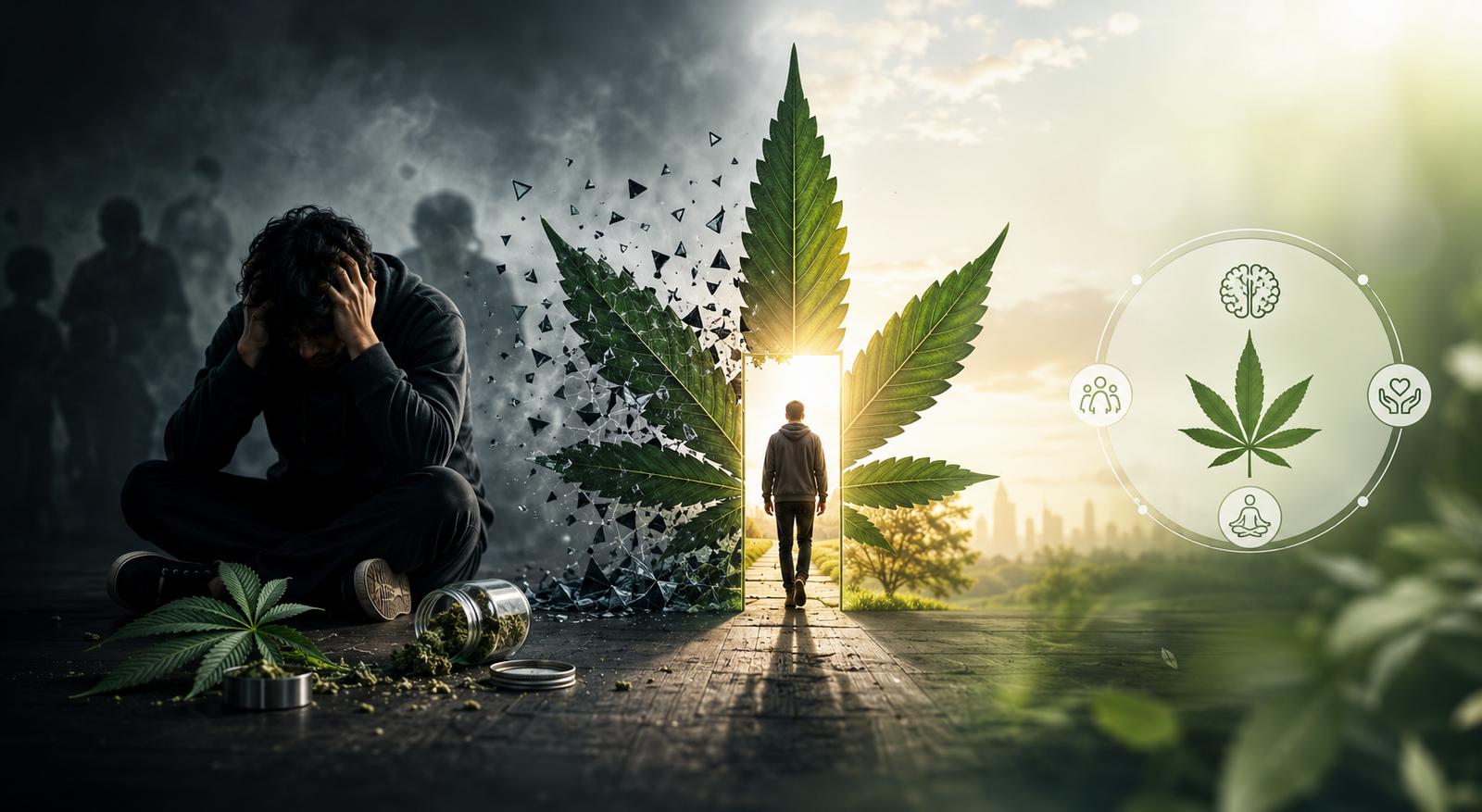
Cannabis (Hashish/Charas) Addiction: Evidence-Based Information, Statistics and Treatment
Evidence-based information on Cannabis Use Disorder, including global statistics, health risks, withdrawal, and treatment options.
Learn more
Crystal Meth (Ice) and Cocaine Addiction: Evidence-Based Information, Statistics and Treatment
Evidence-based information on crystal methamphetamine and cocaine addiction, including global statistics, health risks, warning signs, withdrawal, and treatment options.
Learn more
Heroin Addiction: Evidence-Based Information, Statistics and Treatment
Evidence-based information on heroin and opioid addiction, including global statistics, overdose warning signs, withdrawal, and treatment options.
Learn more
Intravenous (IV) Drug Use: Health Risks, Complications, HIV, Hepatitis and Evidence-Based Treatment
Evidence-based information on intravenous (IV) drug use — overdose risk, HIV, Hepatitis B/C, infections, and evidence-based treatment including medication-assisted treatment and harm reduction.
Learn more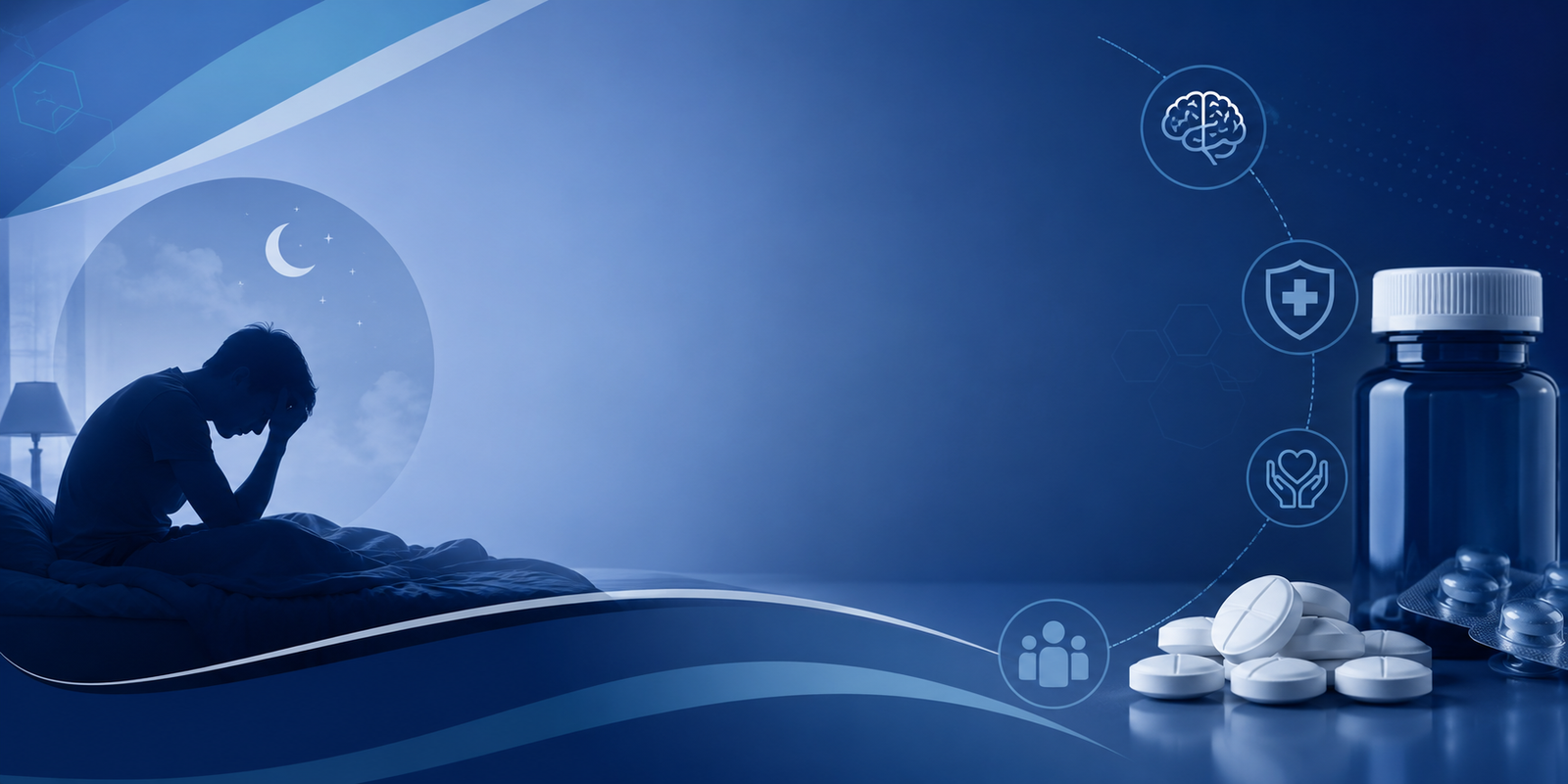
Sleeping Pill Addiction (Benzodiazepine Dependence): Symptoms, Risks and Treatment
Evidence-based information on benzodiazepine and sleeping pill dependence: warning signs, withdrawal risks, and safe, supervised treatment approaches.
Learn more
Street Drugs and Party Drugs ("Dancing Pills"): Understanding the Risks, Addiction and Evidence-Based Treatment
Evidence-based information on street drugs and party drugs ("dancing pills") including MDMA, ketamine, and GHB — health risks, addiction warning signs, and treatment options.
Learn more
Causes and Risk Factors for Addiction
Explore the genetic, psychological, social, and medical risk factors that increase a person's vulnerability to developing addiction.
Learn more
Early Warning Signs and Symptoms of Addiction
Learn the physical, behavioural, and psychological warning signs of addiction, and when it's time to seek a professional assessment.
Learn more
Stages of Addiction: From Experimentation to Recovery
Understand how addiction typically progresses from initial use through dependence, and what the path toward recovery looks like.
Learn more
The Cost of Addiction vs. The Cost of Treatment: Why Investing in Recovery Saves Lives, Families, and Money
Why evidence-based addiction treatment is one of the most cost-effective healthcare investments available — the hidden costs of untreated addiction and the long-term savings of recovery.
Learn moreWhat Is Addiction? Understanding the Science of Substance Use Disorders
A clear, evidence-based explanation of what addiction is, how it affects the brain, who is at risk, and how it is diagnosed and treated.
Learn more