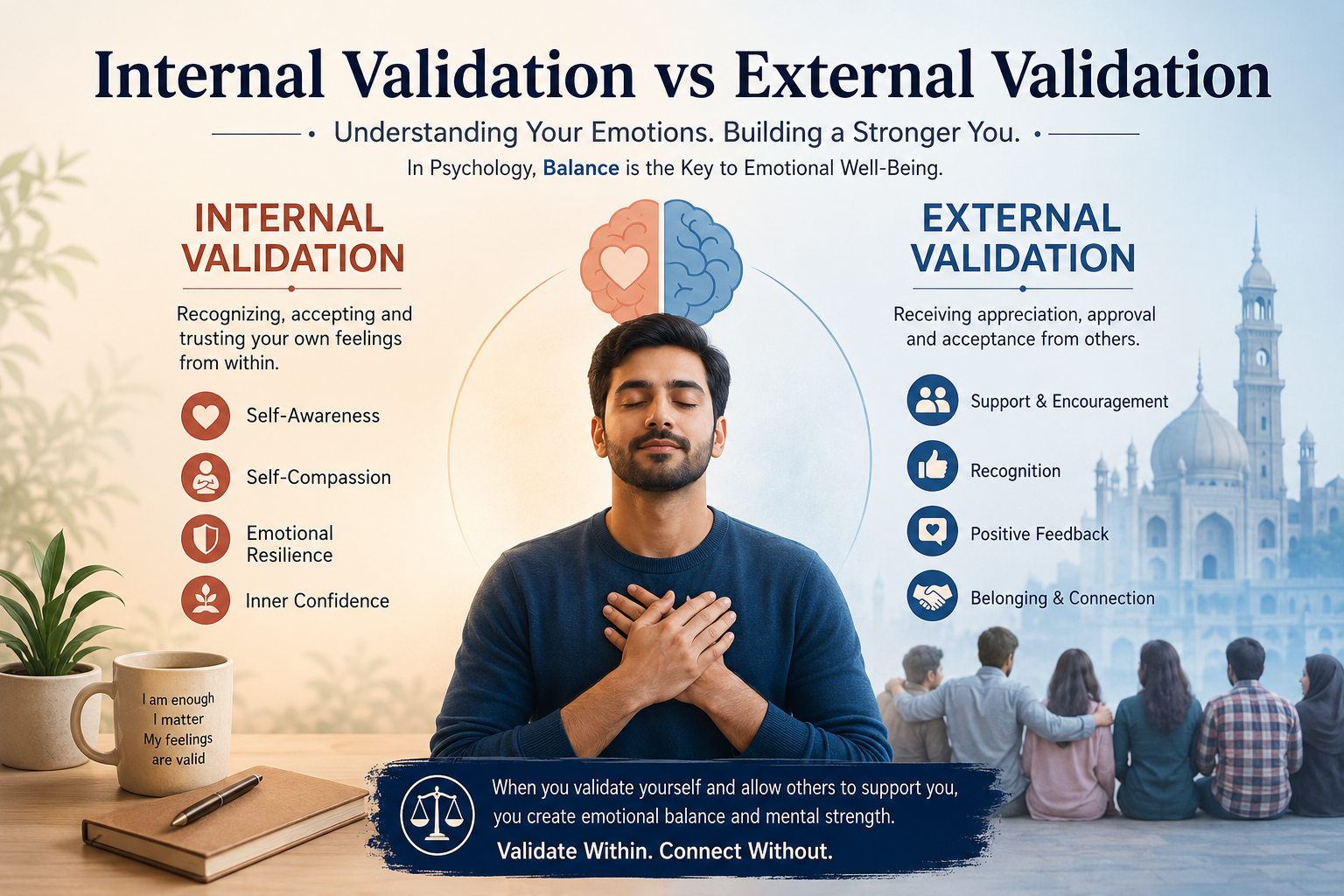
Written by
Consultant Psychiatrist and Addiction Specialist
MBBS — University of Health Sciences (UHS); MD Psychiatry — King Edward Medical University (KEMU); MPH — Institute of Public Health (IPH); UNODC Certified Addiction Specialist; International Certification of Addiction Professionals (ICAP-P); Formal training/fellowship in Child & Adolescent Psychiatry — King Edward Medical University, Lahore
View profileApproved by
Dr. Muhammad Shoaib Zafar
Super Admin
- Published:
- Last updated:
- Approved:
Psychotherapy in Lahore – Professional, Personalised and Evidence-Based Psychological Treatment
Personalised mental healthcare for adults, professionals, executives, couples and families
Psychological wellbeing is an essential part of a healthy and fulfilling life. Yet many people experience emotional difficulties, persistent stress, anxiety, relationship problems or psychological distress without seeking professional help.
In a demanding city like Lahore, professional responsibilities, business pressures, family expectations, academic competition and changing social relationships can place considerable strain on mental health.
Some individuals experience persistent anxiety despite professional success. Others struggle with depression, emotional exhaustion, marital conflict, unresolved personal experiences or difficulties managing their thoughts and emotions.
Psychotherapy offers a structured, confidential and evidence-based approach to understanding these difficulties and developing healthier psychological patterns.
If you are looking for psychotherapy in Lahore, professional psychological treatment can help you address emotional distress, improve relationships, manage stress and develop better ways of responding to life’s challenges.
At Dr. Muhammad Shoaib Zafar’s psychiatric practice, the focus is on understanding each individual’s psychological needs and identifying an appropriate treatment approach based on clinical assessment, personal circumstances and treatment goals.
What Is Psychotherapy?
Psychotherapy is a professional psychological treatment that involves working with a trained mental health professional to understand and address emotional, behavioural, interpersonal and psychological difficulties.
It is sometimes called psychological therapy or talking therapy. However, psychotherapy is more than simply discussing personal problems.
It follows a therapeutic framework in which the clinician and patient work collaboratively to identify difficulties, understand contributing factors, develop appropriate psychological skills and evaluate progress.
Depending on the individual’s needs, psychotherapy may involve:
* Understanding the relationship between thoughts, feelings and behaviour. * Identifying unhelpful thinking and behavioural patterns. * Managing anxiety, stress and emotional distress. * Improving emotional regulation. * Addressing relationship and interpersonal difficulties. * Processing unresolved psychological experiences.
* Developing healthier coping mechanisms. * Improving self-awareness and personal functioning. * Preventing relapse in selected psychiatric conditions.
Psychotherapy may be provided individually, with couples or within a family-based treatment framework.
It can be used as a primary treatment for certain psychological conditions or as part of a broader psychiatric treatment plan.
Who Can Benefit from Psychotherapy?
Psychotherapy is not exclusively for people with severe psychiatric disorders.
It can benefit individuals experiencing persistent psychological difficulties, as well as people who want to understand themselves better, improve relationships or develop healthier responses to stressful situations.
1. People experiencing anxiety and excessive worry
Anxiety may affect concentration, sleep, decision-making, relationships and professional performance.
Some individuals experience continuous worrying, overthinking, fear of failure, panic symptoms or discomfort in social situations.
Psychotherapy can help identify the mechanisms maintaining anxiety and develop more effective ways of managing anxious thoughts, emotions and behaviours.
2. Individuals experiencing depression
Depression may involve persistent sadness, loss of interest, emotional emptiness, reduced motivation, guilt, hopelessness and changes in sleep or appetite.
Some individuals continue working and fulfilling their responsibilities while privately experiencing significant emotional distress.
Evidence-based psychotherapy can help address depressive symptoms, negative thinking patterns, behavioural withdrawal and difficulties in interpersonal functioning.
Depending on severity, psychotherapy may be recommended alone or alongside psychiatric medication.
3. Professionals, executives and business owners
Professional responsibilities and demanding work environments can create sustained psychological pressure.
Executives, entrepreneurs, business owners and senior professionals may experience:
* Chronic stress and mental exhaustion.
* Difficulty switching off from work. * Excessive responsibility and decision fatigue. * Perfectionism and self-criticism. * Irritability and reduced emotional availability. * Work-life imbalance. * Anxiety about performance and uncertainty.
Psychotherapy can help individuals understand these patterns, improve stress management and develop healthier psychological boundaries.
4. Couples experiencing relationship difficulties
Relationships can be affected by communication problems, recurring disagreements, emotional distance, trust issues, family interference and differences in expectations.
Psychotherapy may help individuals and couples understand their interaction patterns and develop healthier communication and conflict-resolution skills.
5. Individuals experiencing emotional or behavioural difficulties
Some people repeatedly experience anger, impulsive reactions, emotional instability, avoidance, low self-confidence or difficulties maintaining relationships.
A psychological assessment can help identify the underlying patterns and determine whether a specific psychotherapy approach is appropriate.
6. Individuals dealing with major life transitions
Career changes, bereavement, divorce, parenthood, retirement, relocation and significant family responsibilities can create psychological challenges.
Psychotherapy can provide support during these transitions and help individuals adjust to new circumstances.
Types of Psychotherapy Available
Different psychological conditions and personal difficulties require different therapeutic approaches.
There is no single form of psychotherapy that works equally well for everyone.
The choice of treatment depends on the clinical presentation, personal history, treatment goals, previous interventions and individual preferences.
Common evidence-based and established psychotherapy approaches include the following.
Cognitive Behavioural Therapy (CBT)
Cognitive Behavioural Therapy is a structured psychological treatment that examines the relationship between thoughts, emotions and behaviours.
CBT helps individuals recognise unhelpful thinking patterns and behavioural responses that may maintain psychological distress.
It is used in the treatment of several conditions, including anxiety disorders and depression.
Explore: [CBT in Lahore – Cognitive Behavioural Therapy]
Psychotherapy for Anxiety and Depression
Psychological treatment can play an important role in managing anxiety and depressive disorders.
Depending on the clinical presentation, treatment may involve CBT, interpersonal psychotherapy, behavioural activation or other appropriate psychological interventions.
Treatment should be selected according to symptom severity, diagnosis, personal circumstances and clinical guidelines.
Explore: [Psychotherapy for Anxiety and Depression]
Executive Stress and Burnout Therapy
People in demanding professional environments may experience chronic stress, emotional exhaustion, reduced motivation and difficulties maintaining a healthy personal life.
Psychotherapy can help identify stress-related patterns, address perfectionism, improve emotional regulation and develop more sustainable coping strategies.
Explore: [Executive Stress and Burnout Therapy]
Relationship and Couples Therapy
Couples therapy provides a structured environment in which partners can explore relationship difficulties, improve communication and work towards mutually agreed goals.
It may be considered for recurring conflict, emotional disconnection, trust difficulties and relationship transitions.
Explore: [Relationship and Couples Therapy]
Psychodynamic Psychotherapy
Psychodynamic psychotherapy explores emotional experiences, internal conflicts, relationship patterns and the influence of earlier experiences on present-day functioning.
It may be appropriate for individuals seeking a deeper understanding of recurring emotional and interpersonal difficulties.
Explore: [Psychodynamic Psychotherapy]
Online Psychotherapy
Online psychotherapy allows suitable patients to access psychological treatment through secure video consultations.
It may be particularly useful for individuals living outside Lahore, overseas Pakistanis and people with demanding professional schedules.
Explore: [Online Psychotherapy in Pakistan]
The suitability of online treatment depends on the individual’s clinical needs, privacy arrangements and safety considerations.
How Does Psychotherapy Work?
Psychotherapy is a collaborative process. The treatment plan is developed around the individual’s difficulties and the changes they wish to achieve.
Although the process varies according to the therapeutic approach, it commonly involves several stages.
Stage 1: Initial psychological assessment
The first consultation focuses on understanding the presenting concerns.
The clinician may explore:
* Current psychological symptoms. * Personal and family history. * Relevant medical and psychiatric history.
* Work and professional circumstances. * Relationship and family dynamics. * Previous treatment experiences. * Personal expectations and treatment goals.
The purpose is to understand the overall clinical picture rather than focusing only on the immediate complaint.
Stage 2: Clinical formulation and treatment planning
After assessment, the clinician develops an understanding of the factors contributing to and maintaining the individual’s difficulties.
A personalised treatment plan may include a particular psychotherapy approach, psychiatric assessment, medication where indicated or referral for additional specialist input.
Stage 3: Therapeutic sessions
During psychotherapy sessions, the individual works with the therapist to explore relevant experiences, thoughts, emotions and behavioural patterns.
Depending on the approach, sessions may involve structured exercises, psychological skills training, reflection, behavioural experiments or discussion of interpersonal experiences.
Stage 4: Monitoring progress
Progress should be reviewed periodically.
The clinician and patient may evaluate changes in symptoms, daily functioning, relationships, coping skills and progress towards treatment goals.
The treatment plan can be adjusted when necessary.
Stage 5: Consolidation and relapse prevention
As treatment progresses, individuals may develop skills to maintain improvements independently.
For selected conditions, relapse prevention and follow-up planning are important parts of treatment.
Psychotherapy or Psychiatric Treatment: Which Do You Need?
Psychotherapy and psychiatric treatment are complementary but different components of mental healthcare.
A psychiatrist is a medical doctor trained to diagnose and treat psychiatric disorders, assess biological and psychological factors and prescribe medication when clinically indicated.
Psychotherapy is a psychological treatment delivered by appropriately trained professionals, including psychiatrists and clinical psychologists with relevant psychotherapy training.
Some individuals benefit from psychotherapy alone, while others require a combination of psychological and psychiatric treatment.
For example:
* Anxiety disorders may respond to evidence-based psychotherapy, medication or a combination depending on severity and clinical circumstances. * Depression may require psychological treatment, antidepressant medication or combined treatment.
* Bipolar disorder generally requires appropriate psychiatric management, with psychotherapy as an important adjunct. * Schizophrenia requires psychiatric treatment, with psychological and family interventions supporting comprehensive care. * Complex psychological presentations may benefit from integrated psychiatric and psychological assessment.
An appropriate clinical assessment helps determine the safest and most effective treatment pathway.
Why Choose a Clinically Guided Psychotherapy Approach?
Choosing a psychotherapy provider is an important decision. Professional qualifications, clinical experience, therapeutic training and treatment suitability should all be considered.
A clinically guided approach aims to ensure that psychological treatment is appropriate for the individual’s needs rather than relying on generic advice or standardised packages.
Comprehensive clinical understanding
Psychological symptoms may overlap with medical conditions, psychiatric disorders, medication effects and substance-related difficulties.
A psychiatric perspective can help identify situations where additional medical or psychiatric assessment is required.
Personalised treatment
Individuals differ in their psychological history, personality, relationships, preferences and treatment goals.
Treatment should reflect these differences.
Evidence-based interventions
Psychotherapy should be selected according to the best available clinical evidence, professional competence and individual suitability.
Professional confidentiality
People should feel comfortable discussing sensitive personal matters without fear of unnecessary disclosure.
Confidentiality and appropriate information handling are fundamental to ethical mental healthcare, subject to applicable professional and legal exceptions.
Continuity and review
Psychological treatment should include periodic evaluation and appropriate follow-up rather than continuing without defined goals.
Psychotherapy for Professionals and High-Responsibility Individuals
Professional success does not eliminate psychological vulnerability.
Individuals managing businesses, organisations, professional teams and family responsibilities may experience significant emotional pressure.
Some are reluctant to seek help because they feel expected to remain confident, decisive and emotionally strong.
Others worry about social judgement or professional reputation.
Psychotherapy provides an opportunity to discuss these concerns in a structured and respectful clinical environment.
It may help with:
* Chronic professional stress. * Anxiety related to responsibility and performance. * Perfectionism and excessive self-criticism. * Emotional exhaustion. * Relationship difficulties associated with work pressure.
* Difficulty maintaining personal boundaries. * Adjustment to professional and personal transitions.
The purpose is not to promise greater productivity or guaranteed success. It is to improve psychological wellbeing, emotional functioning and the ability to respond to life’s demands in healthier ways.
Confidentiality and Privacy in Psychotherapy
Privacy is an important consideration when seeking psychological treatment.
People may be concerned about discussing marital issues, family conflict, professional pressures, personal experiences or psychiatric symptoms.
Professional psychotherapy should be conducted within appropriate ethical and confidentiality standards.
Before starting treatment, patients should understand:
* How clinical information is recorded and stored. * Who may have access to their clinical information. * Whether sessions are conducted in person or online. * The limits of confidentiality. * How information is handled in situations involving safety concerns or legal obligations.
Online consultations should use suitable privacy and security arrangements.
Patients should also choose a private environment for their sessions.
Online Psychotherapy in Pakistan
Access to psychological treatment should not depend entirely on living in a major city.
Online psychotherapy may offer a convenient option for adults living in other cities, overseas Pakistanis and individuals whose professional responsibilities make regular travel difficult.
Depending on clinical suitability, online sessions may support:
* Anxiety and stress management. * Depression treatment. * Relationship and emotional difficulties. * Behavioural change. * Follow-up psychological care. * Continuity of treatment after an initial consultation.
However, online psychotherapy is not suitable for every situation. Severe psychiatric symptoms, immediate safety concerns and conditions requiring physical examination may need in-person or emergency assessment.
How Many Psychotherapy Sessions Are Required?
The duration of psychotherapy varies according to the condition, treatment approach, severity of symptoms and individual goals.
Some structured interventions are designed to be delivered over a relatively short period. Other psychological difficulties, particularly longstanding or complex interpersonal patterns, may require longer treatment.
The number and frequency of sessions should be discussed during treatment planning and reviewed according to progress.
Psychotherapy should have a clear clinical rationale, realistic expectations and periodic evaluation.
How to Choose the Right Psychotherapist in Lahore
When selecting a psychotherapy provider, consider the following:
Professional qualifications: Verify the clinician’s recognised qualifications and professional registration where applicable.
Relevant training: Ask about specific training in the psychotherapy approach being offered.
Clinical experience: Consider experience with the particular condition or difficulty you are seeking help for.
Treatment approach: Understand how the proposed therapy works and why it is considered suitable.
Confidentiality: Ask about privacy, record keeping and the limits of confidentiality.
Progress evaluation: A responsible treatment plan should include opportunities to review progress.
Professional boundaries: Therapy should be conducted within clear professional and ethical boundaries.
For complex psychiatric conditions, it is important to consider whether psychiatric assessment or integrated treatment is also required.
Psychotherapy in Lahore – Consultation with Dr.
Muhammad Shoaib Zafar
Dr. Muhammad Shoaib Zafar is a Consultant Psychiatrist and Addiction Specialist with clinical and academic experience in psychiatry, addiction treatment and child and adolescent mental health.
His clinical approach recognises that psychological difficulties often involve an interaction between biological, psychological, behavioural, family and social factors.
An appropriate assessment helps identify whether an individual may benefit from psychotherapy, psychiatric treatment or an integrated treatment plan.
Where psychotherapy is provided by an associate clinical psychologist or psychotherapist, the treating professional’s qualifications, therapeutic training and clinical responsibilities should be clearly established.
The objective is to provide appropriate, individualised mental healthcare based on clinical need.
Arrange a Consultation
If you are experiencing anxiety, depression, persistent stress, emotional difficulties or relationship concerns, a professional assessment can help clarify the available treatment options.
For consultation and appointment information:
Dr. Muhammad Shoaib Zafar Consultant Psychiatrist & Addiction Specialist Lahore, Pakistan
Website: https://drshoaibpsychiatrist.com/
Frequently Asked Questions About Psychotherapy in Lahore
1. What is the best psychotherapy in Lahore?
There is no single best psychotherapy for everyone. CBT, interpersonal psychotherapy, psychodynamic psychotherapy and other approaches may be appropriate for different clinical presentations.
The choice should be based on an individual assessment and the therapist’s competence.
2. How do I find a qualified psychotherapist in Lahore?
Look for a professional with recognised mental health qualifications, relevant psychotherapy training and experience with your particular concern. Ask about the proposed treatment approach, confidentiality and progress evaluation.
3. Can psychotherapy help without medication?
Yes. Some individuals benefit from psychotherapy without medication. Others may need combined psychological and psychiatric treatment. The appropriate approach depends on the diagnosis, severity and clinical circumstances.
4. Is psychotherapy useful for anxiety?
Yes. Evidence-based psychological treatments, particularly CBT, have an established role in treating several anxiety disorders.
Other approaches may be considered depending on the presentation.
5. Can psychotherapy help with depression?
Yes. CBT, interpersonal psychotherapy and behavioural activation are among the psychological interventions used for depression. More severe presentations may require combined treatment with psychiatric medication.
6. Is psychotherapy only for people with mental illness?
No. People may seek psychotherapy for stress, relationship problems, emotional regulation, adjustment difficulties and personal challenges even when they do not have a diagnosed psychiatric disorder.
7. Can busy professionals attend psychotherapy?
Yes. Appointment scheduling and, where appropriate, online consultations may make treatment more accessible for professionals with demanding schedules.
8. Is online psychotherapy effective?
Online psychotherapy can be effective for selected conditions when delivered appropriately. Suitability depends on the clinical presentation, therapist competence, privacy arrangements and availability of appropriate emergency support.
9. How long does psychotherapy take?
Duration varies. Some structured therapies involve a limited number of sessions, while complex or longstanding difficulties may require a longer treatment course.
10. Is psychotherapy confidential?
Psychotherapy is conducted with respect for confidentiality and professional privacy. Specific exceptions apply where there are serious safety concerns or legal obligations.
11. Can couples attend psychotherapy together?
Yes. Couples therapy can help partners address communication difficulties, recurring conflict and relationship concerns.
The suitability of joint sessions should be assessed, particularly where coercion, abuse or safety concerns are present.
12. Do I need a psychiatric consultation before psychotherapy?
Not everyone needs a psychiatric consultation before starting psychotherapy. However, individuals with severe symptoms, suspected psychiatric disorders, substance-related problems or complex clinical presentations may benefit from psychiatric assessment.
⸻
Clinical and Educational Disclaimer
This page provides general educational information and does not replace individual psychiatric or psychological assessment. Treatment decisions should be made with an appropriately qualified healthcare professional.
Frequently Asked Questions
What happens at the first psychotherapy appointment?
The clinician explores your current concerns, personal and family history, relevant medical and psychiatric history, previous treatment and goals. This assessment helps guide a personalised treatment plan.
What types of psychotherapy are discussed?
The article covers cognitive behavioural therapy (CBT), psychodynamic psychotherapy, couples therapy and psychological approaches for anxiety, depression and work-related stress. The choice depends on your needs, history, goals and preferences.
Can psychotherapy be combined with medication?
Yes. Some people benefit from psychotherapy alone, while others may need medication alongside it. The recommendation depends on symptom severity, clinical assessment and individual circumstances.
Is online psychotherapy suitable for everyone?
No. Suitability depends on clinical needs, privacy arrangements and safety considerations. Secure video consultations may be useful for people outside Lahore, overseas Pakistanis and those with demanding schedules.
About the author
Consultant Psychiatrist and Addiction Specialist
MBBS — University of Health Sciences (UHS); MD Psychiatry — King Edward Medical University (KEMU); MPH — Institute of Public Health (IPH); UNODC Certified Addiction Specialist; International Certification of Addiction Professionals (ICAP-P); Formal training/fellowship in Child & Adolescent Psychiatry — King Edward Medical University, Lahore
King Edward Medical University (KEMU) & Mayo Hospital, Lahore
clinical interests
Adult Psychiatry; Addiction Psychiatry & Rehabilitation; Child & Adolescent Psychiatry; Psychotherapy & Psychological Interventions; Psychiatric Assessment & Consultation
training
Formal training/fellowship in Child & Adolescent Psychiatry, King Edward Medical University, Lahore
memberships
Pakistan Medical & Dental Council (PMDC); Pakistan Psychiatric Society (PPS); International Certification of Addiction Professionals (ICAP)
Dr. Muhammad Shoaib Zafar, MBBS, MD (Psychiatry) Assistant Professor of Psychiatry, King Edward Medical University (KEMU), Lahore